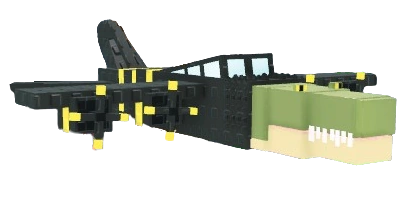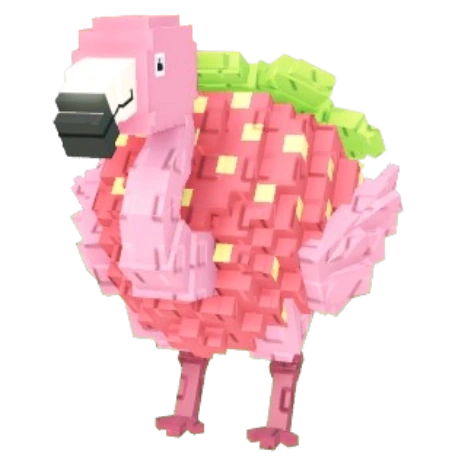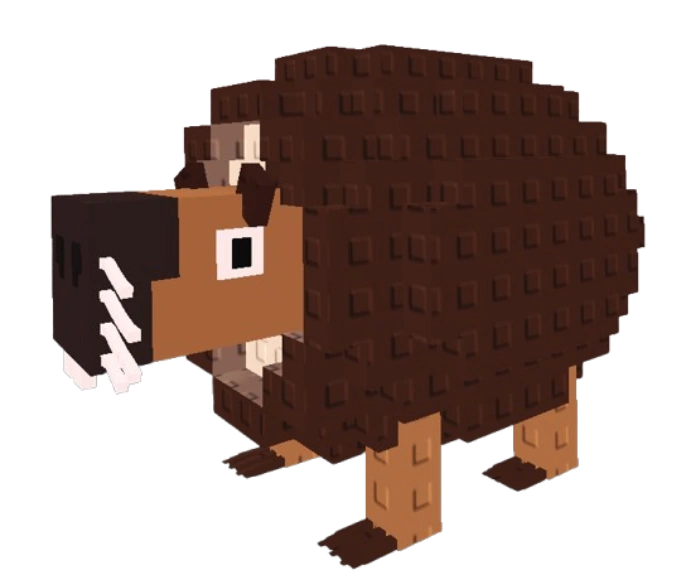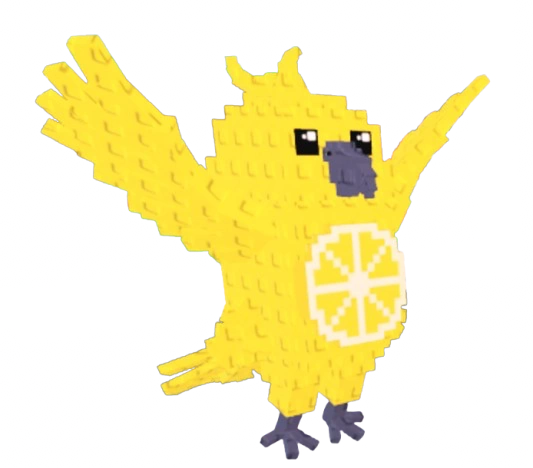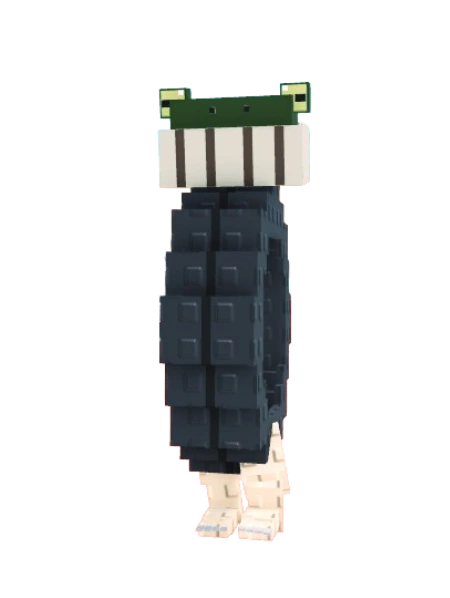
164 items

Rising Fast

These items are gaining demand — act before the market shifts.

Best for Trading Up

High-value items with consistent demand across the market.

Smart Picks

Items with strong market signals and solid hold potential.

Rising Fast

These items are gaining demand — act before the market shifts.

Best for Trading Up

High-value items with consistent demand across the market.

Smart Picks

Items with strong market signals and solid hold potential.

Rising Fast

These items are gaining demand — act before the market shifts.

Best for Trading Up

High-value items with consistent demand across the market.

Smart Picks

Items with strong market signals and solid hold potential.

Rising Fast

These items are gaining demand — act before the market shifts.

Best for Trading Up

High-value items with consistent demand across the market.

Smart Picks

Items with strong market signals and solid hold potential.

Rising Fast

These items are gaining demand — act before the market shifts.

Best for Trading Up

High-value items with consistent demand across the market.

Smart Picks

Items with strong market signals and solid hold potential.

Rising Fast

These items are gaining demand — act before the market shifts.

Best for Trading Up

High-value items with consistent demand across the market.

Smart Picks

Items with strong market signals and solid hold potential.

Rising Fast

These items are gaining demand — act before the market shifts.

Best for Trading Up

High-value items with consistent demand across the market.
How Item Values Work Here

Every value on this page is a read of the player-to-player trading market, not a price the game sets. Steal a Brainrot has no official exchange rate between brainrots — what an item is worth is whatever the trading community consistently gives up for it. We track those trades across active trading channels and publish the figure most of them cluster around.

That makes each number a snapshot rather than a fixed price. Two fair trades for the same brainrot on the same day can differ by ten or fifteen percent depending on who wants what. Use the value to tell a good trade from a bad one, not to argue over a small gap.

Values use the same units across the whole site, so you can compare a Secret against a Legendary directly, and the trade calculator adds them up the same way.

What Each Field on a Card Means

Every item card carries the same four signals. Here is what each one actually tells you.

Value
The middle of the range recent trades have settled around. A dash means we have no confirmed value yet. Values move, so the figure you see is the current read rather than a long-run average.
Rarity
The class the game itself assigns, from Common up through Secret plus special classes like Brainrot God and OG. Rarity tells you how hard an item is to pull, which usually correlates with value but does not set it — a widely farmed Legendary can trade below a scarce Epic.
Demand
How actively players are looking for the item right now, from Very High to Low. Two items with the same value behave very differently when one has Very High demand and the other has Low: high demand means you can move it quickly, low demand means you may sit on it.
Trend
Which direction the value has been moving recently. A rising item is one to hold or trade for; a falling one is worth moving before the drop continues. Trend is short-term and can reverse after any update.

Why Some Brainrots Have No Value Yet

When a new brainrot is released, its rarity, its in-game cost and its income per second are confirmable on day one. Its trade value is not — nobody has traded it enough for a price to exist yet. Those items are published with everything we can confirm and a dash where the value goes.

We do not fill that gap by calculating a value from the shop price or the income rate. Those numbers do not predict trade value, and a computed figure would look exactly like a researched one while being a guess. The dash disappears once there are enough real trades to read.

Item Values — Frequently Asked Questions

  • Are these values official?

    No. Steal a Brainrot does not publish trade values, and no site can. Every value here is read from what players actually trade, cross-referenced across more than one active source before we publish it.

  • Why does an item show a dash instead of a value?

    Because it is new enough that the trading market has not settled on a price. We would rather show a blank than invent a number. The item's rarity and other confirmed details are still on its page.

  • How often are values updated?

    On a rolling basis, and immediately after a major update. We republish a value when the shift is large enough to change a trade decision — day-to-day noise is not worth acting on.

  • Why does my friend say an item is worth more?

    Real trades scatter around the published value, and the same item fetches more from someone who specifically wants it. A gap of ten percent or so is normal. A gap of several times the value usually means one of you is working from an outdated figure.

  • Does a higher rarity always mean a higher value?

    No. Rarity is set by the game; value is set by players. Supply matters more — a rarity class that got flooded during an event will trade below a scarcer class beneath it.

  • Can I use these values to check a trade?

    Yes, that is what the trade calculator is for. Add items to both sides and it totals them and reports the gap. Treat anything within about ten percent as fair.

Values are one part of the picture. These pages cover the rest.